Structural Drying & Moisture Control
Structural Drying and Moisture Control Alhambra CA Done Right
Structural Drying and Moisture Control Alhambra CA is the fast, measured removal of trapped water from your walls, floors, and framing. If a pipe burst, a supply line leaked, or a toilet overflowed, we set up commercial dehumidifiers and air movers the same day. We serve homeowners, landlords, and property managers across Alhambra and Los Angeles County, and we document every moisture reading so you know the building is actually dry.
Service overview
Structural Drying and Moisture Control Alhambra CA
Structural Drying and Moisture Control Alhambra CA is a restoration service that removes moisture from building materials after a leak, flood, or plumbing failure and verifies the structure is dry enough to prevent mold growth. We use moisture meters, infrared thermal cameras, and hygrometers to map exactly where water traveled. Then we position Dri-Eaz and Phoenix Restoration Equipment dehumidifiers and air movers to pull that moisture out of drywall, baseboards, subfloor, and framing. Drying is measured, not guessed.
Alhambra's older housing stock, stucco exteriors, and slab-on-grade construction trap water in places you cannot see. A slow supply-line leak behind a kitchen cabinet can soak the wall cavity for weeks before the paint bubbles. That is why building drying and humidity control Alhambra matters here: we dry the hidden cavities, not just the visible puddle. If you search for structural drying and moisture control Alhambra CA near me after a leak, we are the crew that shows up with meters, not just towels.
Practical benefits
Why Alhambra Property Owners Call Us
Drying a building is not the same as running a fan. These are the outcomes that matter when water gets into your walls, floors, or crawl space.
Stop Mold Before It Starts
Mold can colonize a wet wall cavity in 24 to 48 hours. We start drying the same day we arrive, which keeps Stachybotrys chartarum growth and hidden mold behind drywall from ever getting a foothold. Our drying logs show the moisture content dropping day by day, so you have proof the structure is dry.
Protect Floors and Framing
Wet insulation and framing lose strength and can warp, cup, or delaminate. We dry hardwood, engineered flooring, subfloor, and wall framing to target moisture levels before secondary damage sets in. That saves you from replacing materials that only needed to be dried correctly.
Measured, Documented Drying
Every visit includes moisture meter and hygrometer readings logged by room. You get a clear record showing when the building reached dry standard, which is useful for insurance claims and for your own confidence. We do not pack up until the numbers say the building is dry.
Lower Utility and Repair Bills
Persistent indoor dampness drives up cooling costs and shortens the life of your HVAC system. By drying the structure and controlling humidity, we reduce the chance of recurring mold from unresolved moisture and avoid expensive reconstruction down the road.
How service works
Our Structural Drying Process
Every job follows the same measured sequence. You always know what is happening, how long it takes, and what the readings show.
STEP 01
Emergency Call
Call (626) 254-4161 and we ask the right questions: what leaked, when it started, and what is wet. We schedule a same-day visit for most Alhambra addresses and arrive with drying equipment on the truck, not a clipboard and a promise to come back later.
Tools and methods
Tools and Methods We Use
Protimeter and Tramex Moisture Meters
Pin and pinless meters that measure moisture content in drywall, wood, and concrete. We use them to map the wet area and to confirm when materials reach dry standard.
FLIR Infrared Thermal Camera
Reveals temperature differences that point to hidden moisture behind walls, under floors, and in ceilings without tearing anything open.
Dri-Eaz and Phoenix Restoration Equipment Dehumidifiers
Commercial LGR dehumidifiers that pull large volumes of water vapor out of the air so wet materials can release moisture and dry.
XPOWER Air Movers
High-velocity fans positioned to create airflow across wet surfaces and inside wall cavities, speeding evaporation without overheating the space.
HEPA-AIRE Air Scrubbers
Capture mold spores, dust, and debris during drying and any remediation work. We use HEPA filter media and negative-air ducting to keep the rest of the home clean.
Borescope and Hygrometer
The borescope lets us look inside wall cavities without cutting large holes. The hygrometer measures relative humidity so we can confirm the indoor environment is drying properly.
ANSI/IICRC S500 Water Damage Restoration
The industry standard for drying buildings after water damage. It guides how we classify the water, map the moisture, and verify the structure is dry before we remove equipment.
ANSI/IICRC S520 Mold Remediation
The standard we follow when drying reveals mold growth. It covers containment, removal, cleaning, and clearance so the mold work is done correctly and does not spread spores to other rooms.
Moisture Mapping and Daily Logging
We record moisture content and humidity readings every day and compare them to dry standard. This is how we know the building is dry, and it gives you documentation for insurance.
Containment and Negative Air
When mold or heavy dust is present, we build polyethylene containment and run negative air machines so spores do not migrate into clean areas of your Alhambra home.
Where this service fits
When You Need Structural Drying
A pipe bursts under the kitchen sink at 2 a.m. and water spreads across the floor into a hallway.
We respond the same day, extract standing water, and set up dehumidifiers and air movers. We check the wall cavity behind the cabinet with a moisture meter and dry it if water traveled inside. The floor and wall cavity are dry in three to four days, and you avoid mold growth and a kitchen remodel.
A toilet supply line fails in an upstairs bathroom and water stains the ceiling below.
We map the moisture in the ceiling and the floor above, open a small access point if needed, and dry both sides of the assembly with directed airflow and a dehumidifier. The ceiling and subfloor dry without replacement, and the stain is treated so it does not become a mold problem.
A washing machine hose leaks slowly over a weekend and soaks the drywall and baseboards.
We use an infrared camera to find the full extent of the moisture, dry the wall cavity and baseboards, and apply an antimicrobial cleaner to the framing. The wall dries in four to five days, and you have documentation showing no mold growth.
A commercial building in Alhambra has a roof leak after a storm and wet ceiling tiles in a tenant space.
We set up containment, dry the ceiling assembly and any wet insulation, and run HEPA air scrubbers to keep other tenants protected during the work. The tenant space is dry and back in service in three to five days with minimal disruption.
Local execution
How Structural Drying Works in Alhambra
Alhambra sits in the San Gabriel Valley, where summer heat and winter marine-layer humidity both affect how buildings dry. Older homes here often have stucco exteriors, raised foundations, and original galvanized plumbing that fails at the joints. That combination means water can travel farther than you expect before it shows up as a stain. We adjust our drying setup for local conditions, using more airflow in crawl spaces and checking wall cavities that stucco can hide. If you need dehumidification service for an Alhambra property CA, we size the equipment to the building, not to a generic formula. We also work with the City of Alhambra's building department when reconstruction permits are needed after a major leak. Most of our drying jobs in the 91801 and 91803 ZIP codes finish in three to five days.
Bean Tract
A mix of older single-family homes and small multi-unit buildings. We often find original plumbing and raised foundations that hide moisture under the floor.
Alhambra Hills
Homes here sit on sloped lots, so water from a leak can travel downhill through a wall cavity. We check the lower side of the structure first.
Midwick Tract
Many homes have stucco exteriors that trap moisture behind the wall. We use infrared cameras to find wet framing without cutting into the stucco.
Ramona Park
A dense residential area with a lot of older homes. Slow supply-line leaks are common, and we frequently dry wall cavities behind kitchen and bathroom cabinets.
Marine-layer humidity in the winter months
Higher outdoor humidity slows drying and keeps crawl spaces damp. We run dehumidifiers longer and monitor indoor humidity closely to make sure the structure reaches dry standard.
Summer heat and attic condensation
Hot attics can hide moisture from a roof leak or duct condensation. We check attic sheathing and insulation, because attic mold from condensation is a common call in July and August.
Older galvanized and copper plumbing
Pinhole leaks and joint failures are frequent in pre-1980 homes. We map the moisture carefully because these leaks often travel along framing before showing on a ceiling.
Slab-on-grade construction in newer builds
Water from a slab leak wicks up into baseboards and wall framing. Drying takes longer, so we plan for five to seven days on these jobs.
Problems we solve
Moisture Problems We Solve in Alhambra
Most water damage we see in Alhambra comes from the same handful of sources. Here is what we find and how we fix it.
Hidden mold behind drywall after a slow leak
We use a borescope and infrared camera to find moisture inside the wall without tearing it open. Then we dry the cavity with directed air movers and a dehumidifier, and if mold is present we remove the affected drywall under containment. A pinhole supply-line leak can soak a wall cavity for weeks. By the time paint bubbles, mold has already colonized the paper facing on drywall.
Wet insulation and framing after a slab leak
We map the moisture with a Tramex meter, remove saturated insulation where needed, and dry the framing to target moisture content. We document the readings daily so you know the structure is dry before we close anything up. Slab leaks in Alhambra's older homes wick water up into baseboards and wall framing. Wet insulation loses R-value and framing can warp or grow mold.
Crawl-space mold from condensation
We dry the crawl space with directed airflow and a dehumidifier, treat the joists and subfloor with an antimicrobial cleaner, and recommend ventilation or insulation fixes to keep it dry. We follow the ANSI/IICRC S520 standard for any mold work. Alhambra's marine-layer humidity and raised foundations create damp crawl spaces. Without airflow, condensation feeds crawl-space mold that spreads upward into the living space.
Bathroom mildew and recurring dampness
We dry the affected surfaces, treat them with antimicrobial cleaner, and check the exhaust fan and humidity levels. If the fan is undersized or venting into the attic, we tell you what to fix so the problem does not come back. Poor ventilation in older Alhambra bathrooms keeps walls and ceilings damp. Mildew returns every few months and can spread into adjoining rooms.
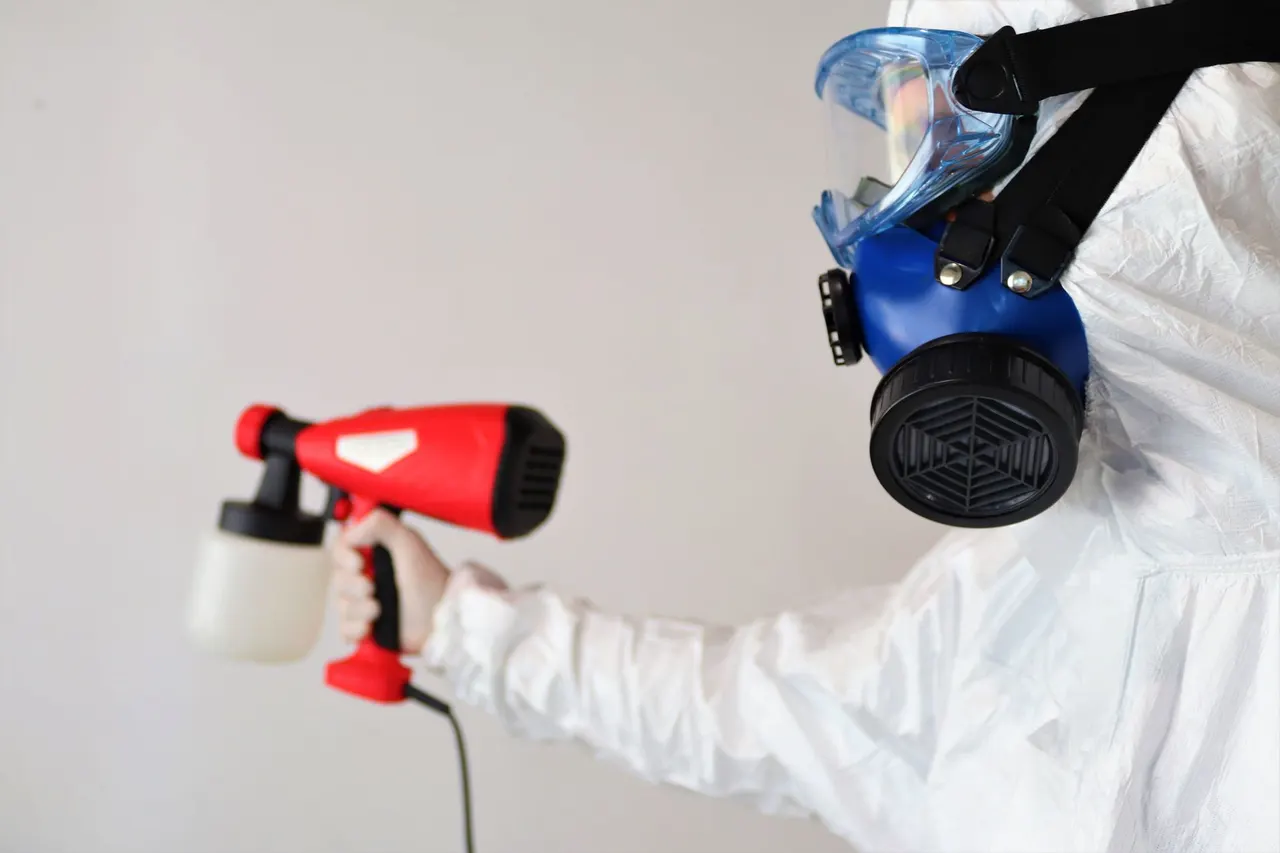
A practical standard for every visit.
Clear planningPrepared arrivalsCareful workLocal follow-through
Experience in the details
18 Years Drying Alhambra Buildings
Alhambra Mold Shield has been drying and restoring Alhambra properties since 2008, which means 18 years of working in the same housing stock, the same climate, and the same building codes. Our technicians hold IICRC Water Restoration Technician (WRT) and IICRC Applied Microbial Remediation Technician (AMRT) credentials, and we follow the ANSI/IICRC S500 Standard for Professional Water Damage Restoration on every job. We know how water behaves in stucco walls, raised foundations, and slab-on-grade homes because we have dried hundreds of them across Los Angeles County.
- IICRC WRT and AMRT certified technicians on every structural drying job.
- We follow ANSI/IICRC S500 and S520 standards for drying and mold work.
- 18 years serving Alhambra, San Gabriel Valley, and Los Angeles County.
- We document moisture readings daily so you have a clear drying record.
- EPA RRP certified for work in pre-1978 homes common in Alhambra.
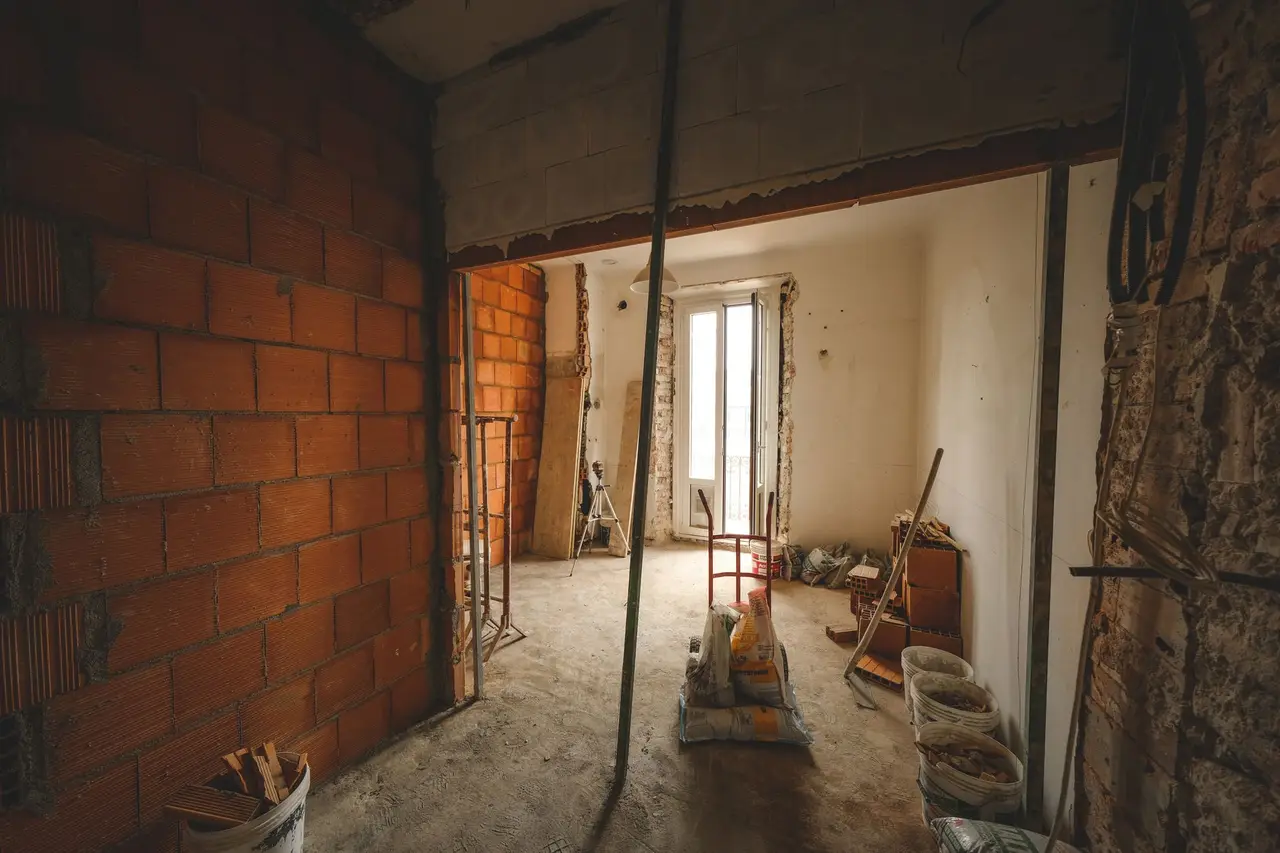
Where we work
One local team. A lot of ground covered.
Alhambra ParkEmery ParkAlmansor ParkGranada ParkBean TractMidwick TractRamona ParkLindaraxa ParkAlhambra HillsMayfair Park
Check my address Alhambra Mold Shield provides structural drying in Alhambra CA, and we have been doing it since 2008. We are IICRC WRT and AMRT certified and follow the ANSI/IICRC S500 standard. Call (626) 254-4161 and we will schedule a same-day moisture inspection for most addresses in the 91801 and 91803 ZIP codes.
Building drying and humidity control prevents mold by removing the moisture mold needs to grow, usually within the first 24 to 48 hours after a leak. We dry wall cavities, subfloor, and framing to dry standard and keep indoor humidity below 60 percent. That stops Stachybotrys chartarum and other mold spores from colonizing wet materials.
A wet Alhambra property should start drying within 24 hours of the leak, and the full dry-out usually takes three to five days. Mold can begin growing in as little as 24 to 48 hours, so the first day matters most. We set up dehumidifiers and air movers the same day we arrive.
Structural drying after a leak typically takes three to five days for a contained supply-line or drain leak, and seven to ten days for a whole-room flood or a wet slab. We monitor moisture daily and do not remove equipment until readings hit dry standard. You get the daily numbers so you can see the progress.
Keep exploring
Related Services
Your next step is waiting
Get Structural Drying and Moisture Control Alhambra CA
Water in your walls gets worse every hour. Call Alhambra Mold Shield at (626) 254-4161 and we will get drying equipment running at your property, usually the same day. IICRC certified, licensed, and insured, serving Alhambra, CA and Los Angeles County since 2008.
Start with the basics
Contact Alhambra Mold Shield
Call us at (626) 254-4161 any time, day or night. We answer live, ask a few questions about what you are seeing, and schedule a same-day inspection whenever possible. You can also email [email protected] with photos and we will respond within a few hours during business hours.